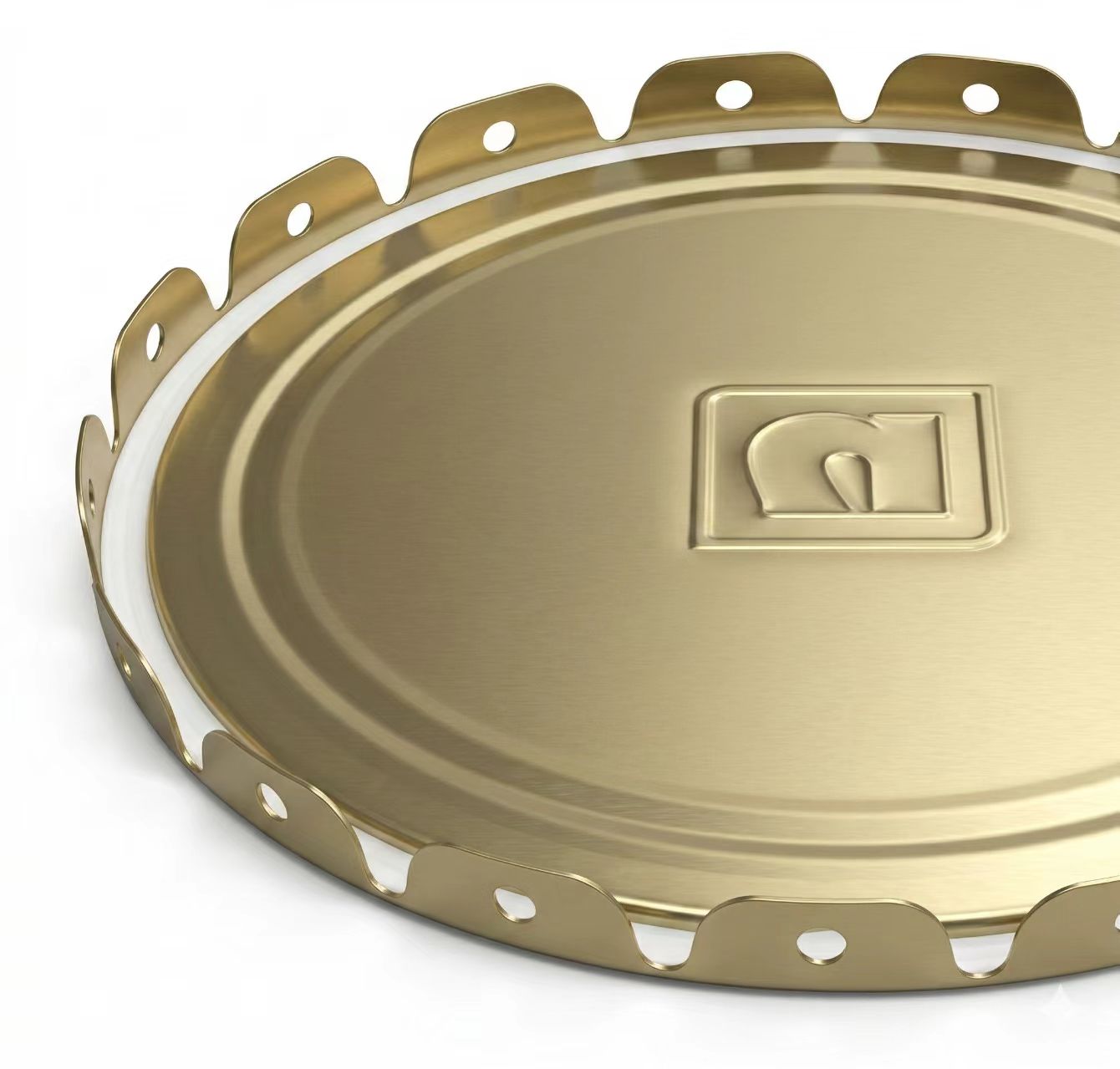
Inaugurating our full study regarding
Solidly shutting nickel box barriers. Those indispensable parts supply each firm sealant to contamination, sustaining product condition. Each construction integrates constituents like steel or plastic, diligently crafted to bear inbuilt force and surrounding environments. Defective washers are capable of cause goods decline, compelling rigorous quality inspection activities during the processing chain.
Pigment Tub Closures: Ceasing Spills and Ensuring Condition
Defending any contents held within your can is indispensable for professional painters. A worn ring can produce unwanted seepage, wasting high-quality paint and creating a unkempt cleanup. These minimal rubber or artificial shields create a tight seal between the bucket cover and the can, blocking oxygen from invading and contaminating the paint. Regularly monitoring and renewing your container seals is a basic way to retain paint purity and diminish waste.
Vinyl Copolymer Gaskets for Alloy Lids: Effectiveness and Robustness
Ethylene-Vinyl gaskets are steadily utilized for closing iron lids in a diverse span of environments. Their exclusive features, including remarkable chemical tolerance and remarkable compression set endowments, contribute to heightened effectiveness. These gaskets furnish a consistent seal against breakout and dirt, although maintaining sufficient flexibility to meet minor face defects. Furthermore, their natural strength ensures a continuous working life, diminishing the call for repeated upcycles. They predominantly excel traditional rubber options in tough settings.
Fill-in-Place Cushions: Bespoke Answers for Brass Boxes
Foam-in-place barriers offer an individual technique for forming robust barriers in bronze boxes. Unlike standard polymer seals, foam-in-place procedures permit for entire adaptation to varying shapes and shifting dimensions. This facilitates those ideal for situations where precise adjustment is critical, such as moving sensitive substances or keeping an blocked space. Furthermore, these liners may be adapted to include enhanced traits, like vibration attenuation or chemical defense.
- Confers a bespoke securement
- Efficacious for irregular contours
- Refines component preservation
Electing the Correct Buffer for Bronze Containers
Accurately securing metal pails entails rigorous selection of the best buffer. Conditions like food interaction, climate breadth, burden values, and material immunity are important. Standard gasket substances cover plasticized compounds, cushioned materials, and advanced custom blends. Finally, coordinating the gasket features to the unique purpose is essential for ensuring material wholeness and thwarting exfiltration.
Perceiving Bronze Drum Securing Gasket Materials
Metal can sealing gaskets play a vital part in preserving product quality. The selection of appropriate material for these items is fundamental and rests on many indicators. Widespread elements include copper, often integrated with resin compounds like polyethylene. These compounds offer notable stretchability and PVC foam gasket fastening qualities.
- Tinplate offers rust resistance.
- PVC provide bendiness.
- Films improve joining.
Lacquer Can Gasket Directions: Ingredients & Employments
Choosing the best washer for your paint bucket is fundamental for sustaining product freshness. The material of the liner directly impacts its function and longevity. Standard selections include rubber, offering good wide-ranging sealing against wetness and benign chemicals. For powerful solvents or long storage, consider proprietary elements like E.P.D.M., NBR, or even silicone elastomer, each providing excellent resistance against specific elements. Evaluate the form of lacquer being secured and the environmental contexts when choosing the best washer.
- Rubber – Acceptable for general applications.
- Ethylene-Propylene-Copolymer – Exceptional resistance to substances.
- Butadiene-Nitrile – Ideal for petroleum resistance.
- Siloxane Rubber – Outstanding fervor persistence.
Perks of Vinyl Acetate Ethylene Gaskets on Alloy Hoods - A Thorough Review
Implementing Ethylene Copolymer gaskets on alloy enclosures presents a wealth of benefits for a assortment of functions. These gaskets offer superior securing capabilities compared to usual materials. Notably, their inherent flexibility allows them to adapt to small imperfections in the closure surface, creating a consistent seal and preventing escapes of materials. Unlike some stiff materials, EVE gaskets are unaffected to rust, extending their lifespan significantly. They also provide top vibration buffering, reducing clamour and protecting sensitive units.
- Better Closing Performance
- Preeminent Fortification to Decay
- Superb Vibration Mitigation
- Increased Span
- Elastic to Top Imperfections
Closed-Cell Foam Gaskets vs. Traditional Vessel Fastening Methods
For a long time, manufacturers have made use of standard container capping methods, comprising folded rims. However, foam-in-place gaskets introduce a significant proxy. This groundbreaking method conforms directly to the configuration of the element, ensuring a augmented closure and commonly lessening the possibility of loss compared to older structures. Furthermore, closed-cell foam can support uneven features that traditional vessel capping processes face challenges to.