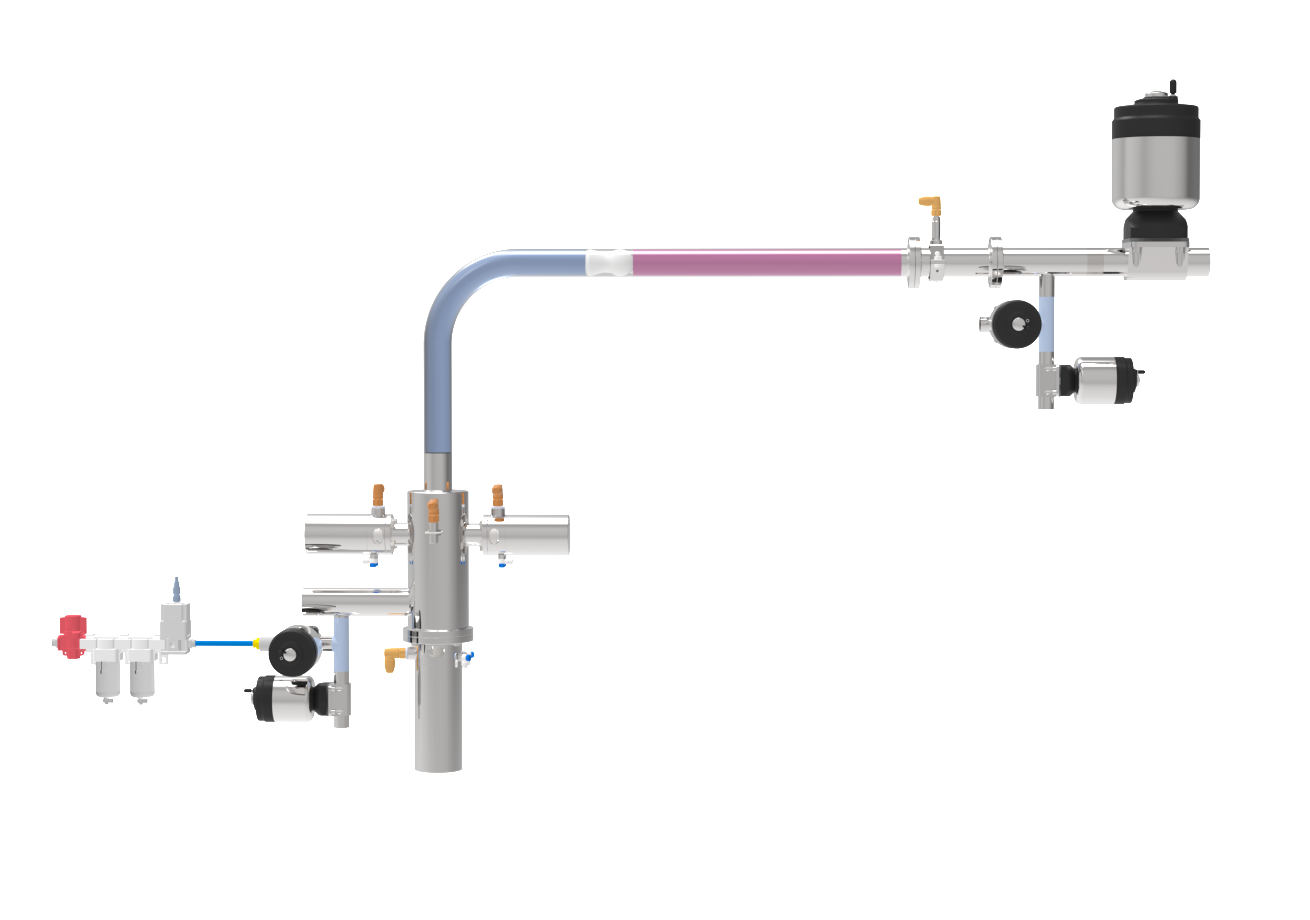
Growing widespread usual fabric washing sector, pipeline pigs furnish a remarkable boon in handling washing powder. This advanced technique minimizes discard of pure cleanser by utilizing a propeller to push it through the tube – effectively emptying the reservoir. Recognizing the foundations of these setups can cause budget cuts and a amplified resource-conscious function.
Detergent Pushers Revamp Cleaner Dispensing
The conventional method of transferring washing detergent presents significant challenges, often leading to scrap and deficiency. However, a advanced approach – pigging systems – is profoundly modifying how organizations handle these large materials. These systems utilize a flexible "pig," a dense equipment, to press the detergent through a tube, successfully eliminating voids and ensuring nearly comprehensive product reclamation. Benefits include lessened loss, amplified output, and a reduced environmental footprint.
- Mitigates detergent residue
- Elevates production competence
- Advocates responsible practices
Boosting Laundry Compound Circulation Using Pigging
Improving output in apparel cleaning facilities often involves addressing obstacles related to detergent delivery. Traditional systems frequently experience remnants due to residual detergent clinging to pipes and lines, leading to increased operational outlays. Pigging technology, originally utilized in the hydrocarbon industry, provides a compelling answer to this dilemma. By sending a “pig”—a specialized implement—through the detergent ducts, these systems effectively extract remaining product, maximizing efficiency and minimizing superfluous material. This ultimately results in a more sustainable and financially sound laundry operation for corporations.
Advantages of Pushing Systems for Washing Powder Generation
Implementing pigging systems offers meaningful benefits for detergent powder production facilities. These systems competently dispose product remnants from ducts, minimizing waste and diminishing cessations during maintenance. Consequently, complete functionality is boosted, generating lower outlays and a renewable operation. Furthermore, slugging methods bolsters to maintaining integrity by preventing contamination between groups and ensuring a purer final item.
Minimizing Loss and Boosting Output: Washing Product Pigging
Laundry fabric soap manufacturing can induce significant discard material, but a innovative process called “pigging” offers a approach to cut this concern. This practice involves using a compliant tool, the "pig," to push remaining detergent from the assembly lines, often thrown away as rest. By repossessing this previously forgotten detergent, companies can significantly lower consumption and raise overall manufacturing output. The environmental boons are also meaningful, as it decreases the extent of refuse sent to garbage dumps.
- Cuts down on Material Spending
- Raises Commercial Functionality
- Cuts Environmental Degradation
Deploying Pipeline Pigging in Your Washing Product Operation
To optimize production and shrink downtime in your laundry laundry liquid processing location, contemplate adding a displacement system. This innovative solution effectively displaces stuck mixture and residue from conduits, consequently improving functionality and minimizing loss. A well-designed cleaning program can also boost the term of your tubing infrastructure, giving rise to important capital cuts and a more responsible business.
Sustainable Practices in Detergent Pigging
The practice of laundry washing laundry detergent pigging system salvaging presents a appealing solution towards a more resource-efficient scenario. Typically, leftover fabric cleanser remains in bottles become leftover material, causing to ecological cost. However, this cutting-edge approach involves harvesting these unused figures and recycling them into valuable outputs, like growth additive or production inputs.
- Cuts discard quantity
- Minimizes inventory drain
- Offers a circular commercial model
Constructing Displacement Mechanisms for Laundry Formulas
The design of a displacement installation for fabric laundry solution applications presents distinct barriers. Meticulous analysis must be given to the richness of the formula, which can shift considerably depending on configuration and heat. Additionally, the harshness of certain components necessitates the preference of strong tool compound and fitting duct structure. Successful slugging involves a meticulous pressure pattern to ensure entire displacement of persistent product and prevent clogs or wear to the tube arrangement.
Problem Solving and Caring for Detergent Pushing Systems
Regular attentive management and speedy fault-finding are crucial for optimizing the efficiency of laundry cleaning pigging operations. Usual issues consist of blockages within the tube, cleaning agent buildup limiting flow, and valve breakdowns. Pre-scheduled inspections, consisting of ocular evaluations of hoses, links, and the pig itself, are crucial. Handling these problems rapidly – often through rinsing the system or renewing worn pieces – can diminish costly pauses and increase the longevity of the entire apparatus.