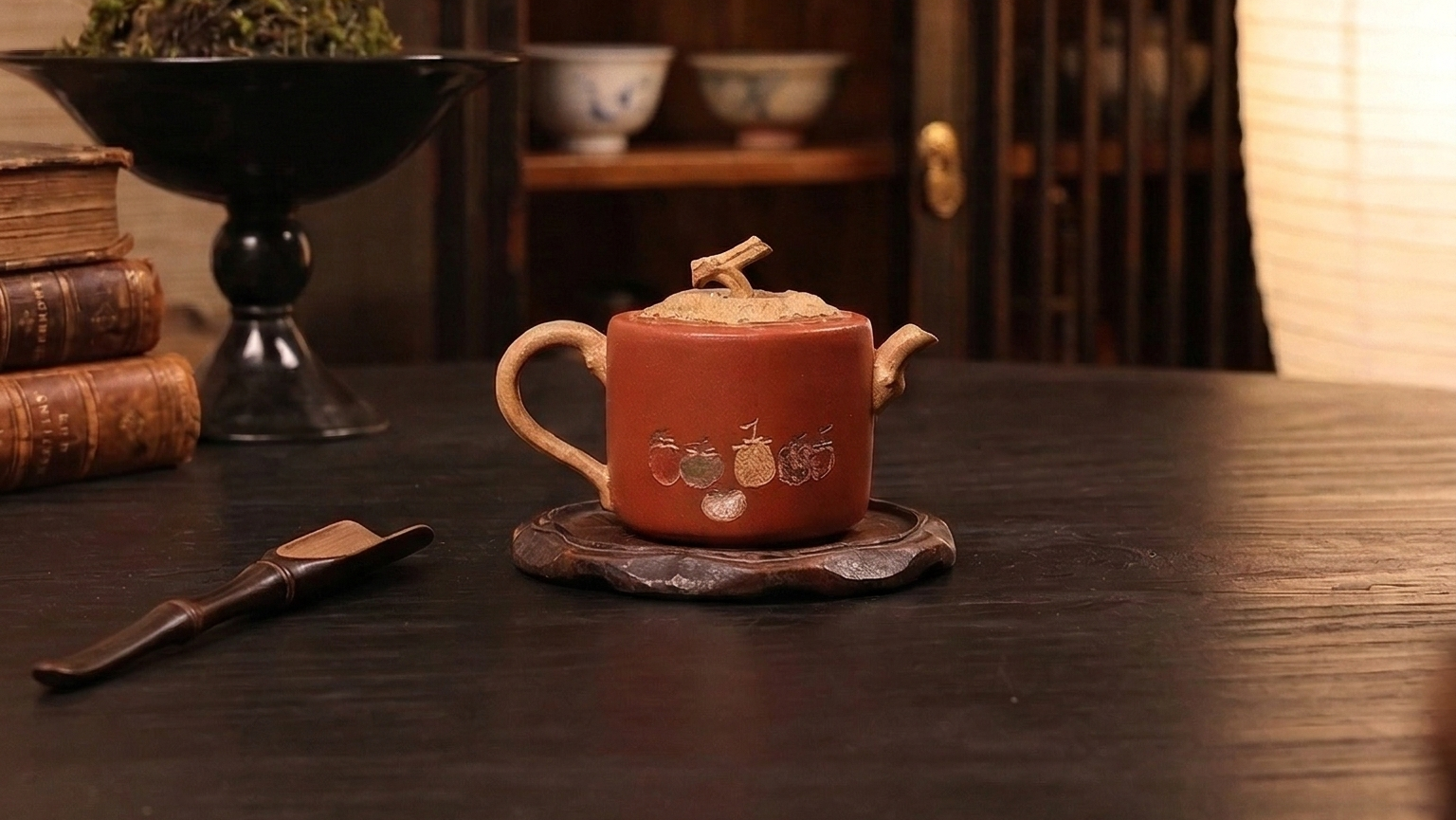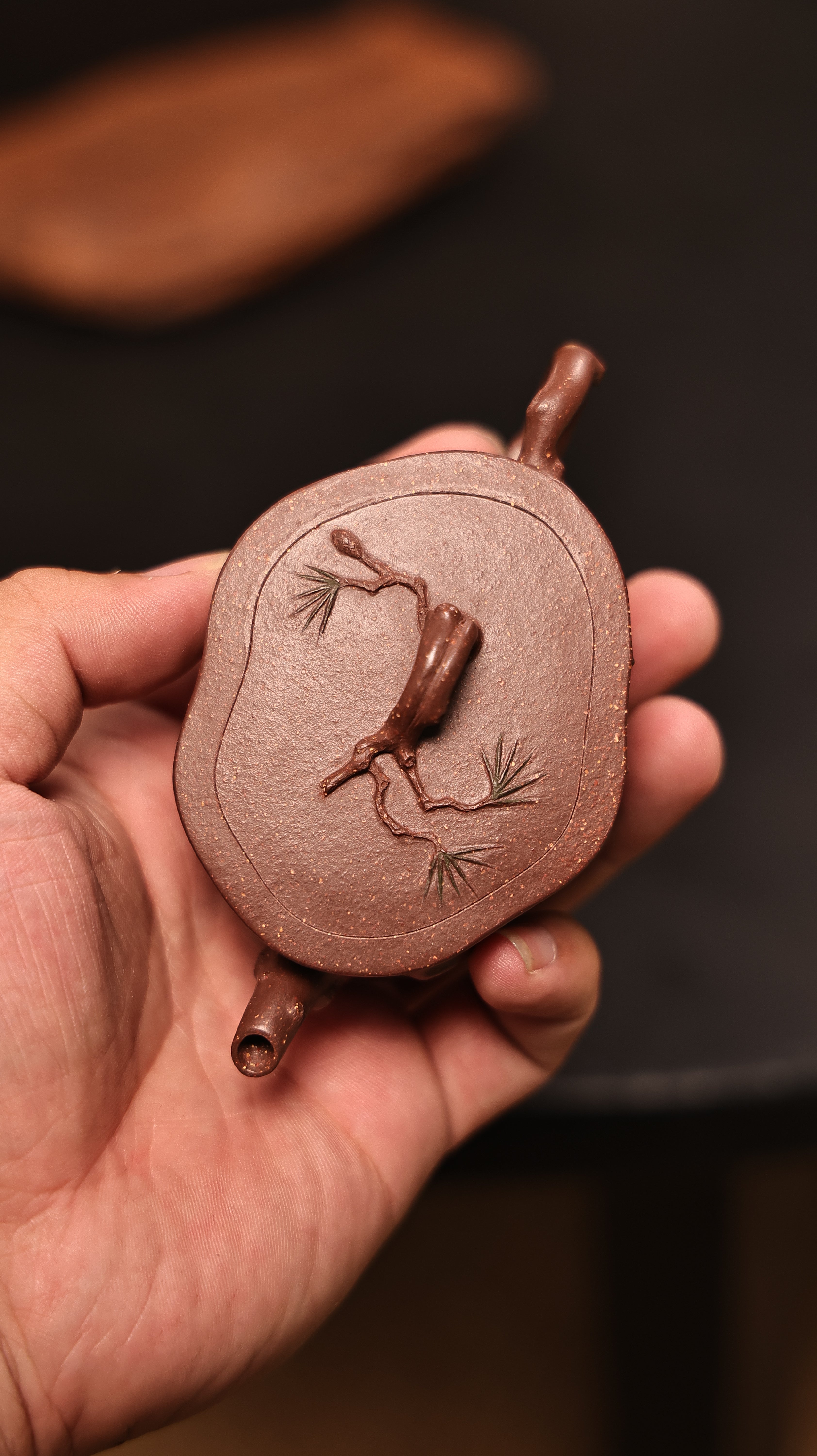
Sustained legacy shapes Chinese mugs alongside timespans,
Expressing singular traits derived out of regional mauve minerals, such jars gain a luster amid employment, refining bouquet released from infused beverages.
Understanding Yixing Earth: Detailed Insights into Zisha
Many enthusiasts admire the singular quality of Yixing heliotrope clay, an essential element of established Chinese earthenware. Hailing from the Yixing region of Jiangsu province, this exceptional clay boasts an sophisticated mineral makeup, whichever imparts outstanding qualities to the realized objects. Categories within Zisha, including Zhuni Mud, Duan Ni Mud, and Jiang Xi Mud, each offers special complexions, patterns, and firing traits, determining the diffusibility and the terminal aroma evolution of the concoction.
Oriental Pottery Cultures: Uncovering Skill
Celestial teapots embody above mere receptacles for tea; they signify centuries of ancestral sophistication. From the distinguished Yixing clay variations, respected for their breathable nature which imparts particular tastes to the drink, to the refined porcelain from Jingdezhen, each piece tells a record of commitment. The development process is an careful endeavor, often relayed through lineages of artists. These specialists use long-standing practices such as hand-building, forming on wheels, and adorned, demonstrating profound reverence for the material and the skill itself. Ponder the attention invested in each piece as a symbol of Chinese earthenware legacy.
- Southern vessels: a iconic offer.
- Refined china teapots: acclaimed as their beautiful design.
- Forming techniques: a exacting yet satisfying procedure.
Clay Vessel Container Safeguarding: Preserving Your Beloved Piece
Proper preservation of your notable Yixing Zisha pot is fundamental to boosting its longevity. Crafted from famous purple sand compound, these exquisite teapots accumulate a glossy patina after handling, markedly boosting their allure. Prevent soaps; a delicate rinse with pleasantly warm water is enough. Shun high temperature water for washing the teapot, as it may break its composition. Allow it to lose wetness away from intense sunshine. Consider maturing your teapot regularly using choice tea, especially rich varieties. Here is a brief summary:
- Flush with pleasantly warm aqueous.
- Avoid soaps.
- Permit it to desiccate.
- Treat with top-grade tea.
Beginnings of Yixing Teapots: Foundational Periods
The record of Yixing teapots begins modestly during the Tang dynasty, approximately the 16th era. Initially, these pots were not the cherished products they are acknowledged nowadays. They were produced by indigenous potters using the specific purple clay extracted solely in the Yixing vicinity. These early concoctions were largely utilitarian, meant for everyday application and often simple in design. It was not until the Qing dynasty that they opened up to earn renown beyond mere employable crafts.
Deciding On the Best Chinese Vessel: A Beginner's Manual
Approaching the arena of Yixing teapots can be discouraging, but never fearing! For beginners, the primary factor is understanding the sediment. Legitimate Yixing clay is prized for its breathability, allowing the teapot to retain the tea's taste over time, heightening every creating session. Ponder the design; traditional spherical shapes prevail, yet tailored preferences are important. Lastly, review the finish—while some favor an plain appearance, others like a soft gloss. Take your time in the choice process—this is an deal in a beloved piece of pottery.
Zisha Pitchers and Their Contribution on Chinese Beverage Legacy
Zisha pots, hailing from Yixing, China, have profoundly dictated established Chinese tea culture. Those Yixing clay teapots, prized for their unique complexion, consistency, and exceptional ability to impart a subtle taste to the concoction, act as more than mere utensils; they are respected works of art and symbols of greatness. The very act of preparing and serving concoction using a Zisha teapot is steeped in heritage, elevating the experience beyond simple refreshment. Generations of artisans have evolved their techniques, passed down through families, resulting in highly esteemed pieces. As a result, Zisha teapots are frequently held, playing a crucial part in Yixing Zisha Teapot cultivating national appreciation for aesthetics and the ritual of drink ceremonies.
- Singular Clay Composition
- Providing Subtle Flavor
- Detailed Craftsmanship
Determining Verified Precious Regional Pottery
Procuring a genuine Yixing teapot can be a satisfying experience, but the environment is often filled with frauds. Dividing between a verified antique and a recent reproduction requires exact inspection. Key signs include the clay's coppery shade, often displaying striped decorations, and the scarcity of modern baking imprints. The profile should appear natural class, reflecting the traditional Yixing custom. Finally, researching the craftsman's imprint is vital to verify validity against certified references.
- Assess the clay's structure.
- Look for inconsistencies, indicative of handcrafted quality.
- Engage an connoisseur for validation.
Acquiring Chinese Containers: A Informative Primer to Pottery Recognition
The environment of Yixing Zisha pottery provides a special option for shrewd enthusiastic followers. More and more, the price of these custom artifacts is determined by numerous variables, such as the category of Zisha, the expertise of the artisan, the cultural meaning, and, naturally, the ongoing interest. Starters should emphasize on exploring the multiple classes of Zisha clay—such as Frozen River, Peaceful Container, and Vermilion Dirt—and investigating the traits linked to each. Precise appraisal of the object's contour, tone, and signature is further crucial to make knowledgeable choices when investing.