Within the sphere of enduring traditions,
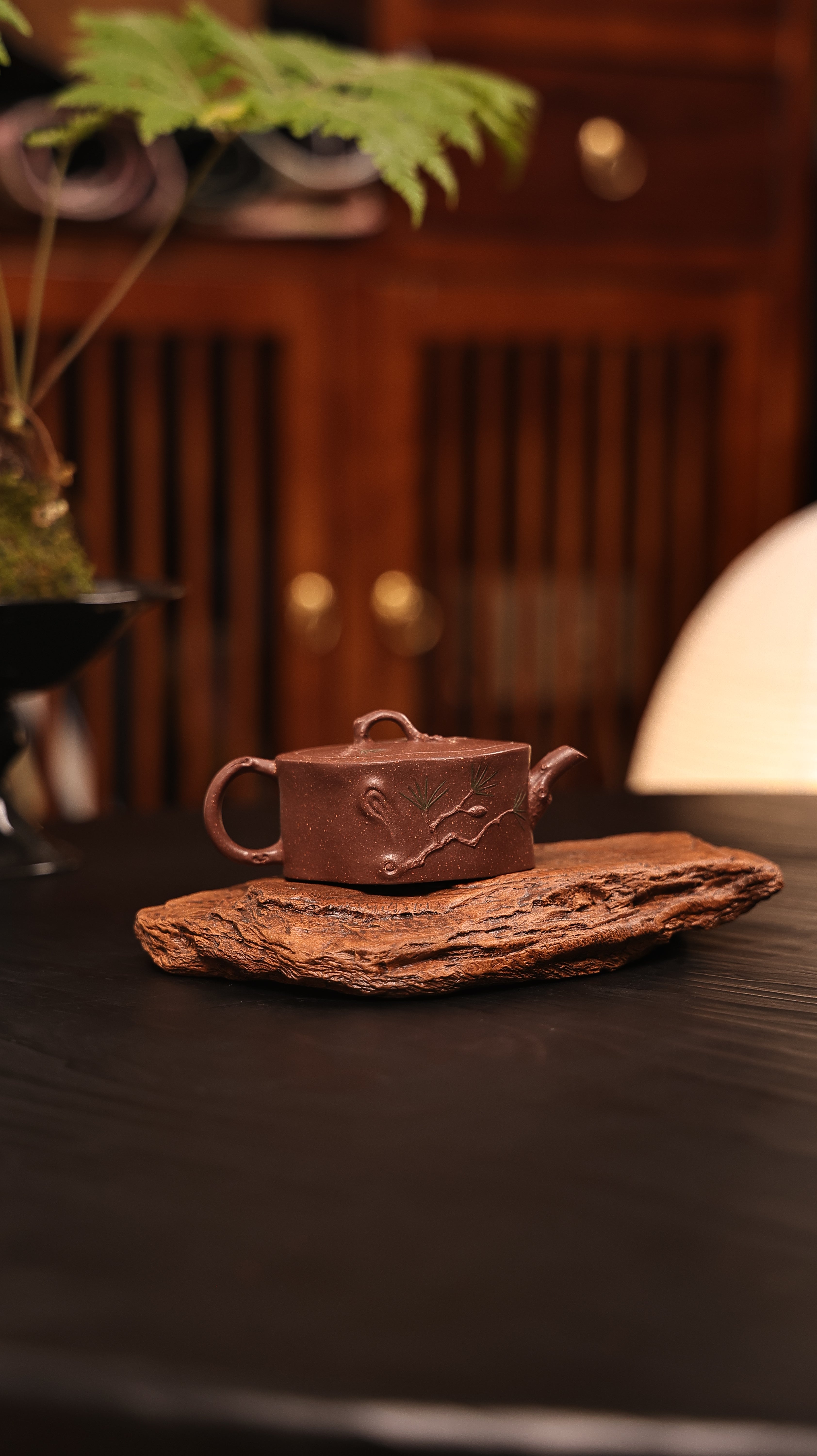
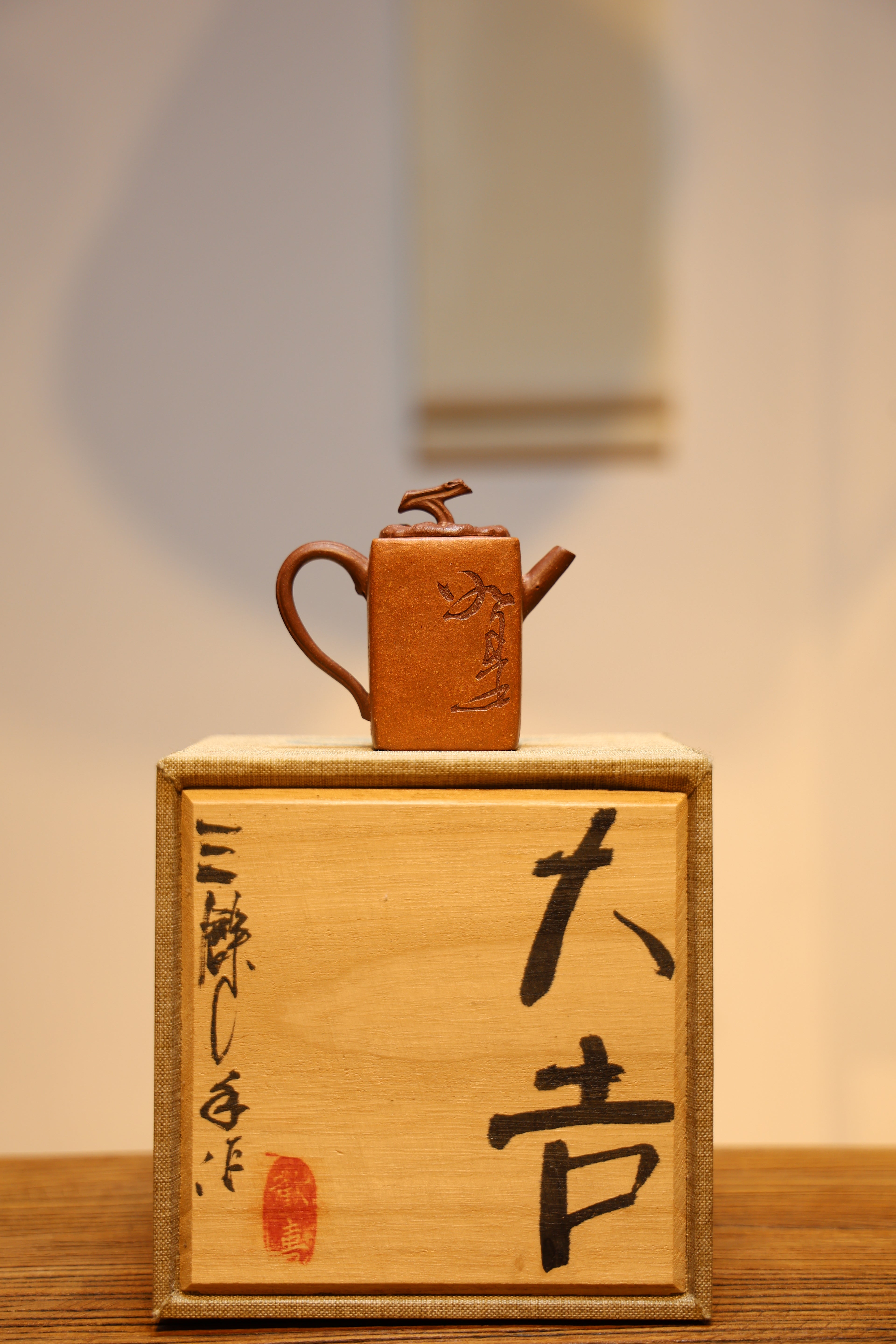
Amidst generations, heritage seekers have been enchanted by the extraordinary charm of Yixing Zisha carafes. Originating from the region of Yixing in the region of Jiangsu, these containers are renowned for their illustrious beauty, rare clay, and inherent ability to improve the aroma of the infusion. The material's distinctive maroon hue, combined with the masterful fabrication of indigenous sculptors, creates products that are equally functional crafts and esteemed valuables. Purchasing a Zisha teapot is more than just every purchase; it's adopting a rich heritage heritage.
Decoding Yixing Teapots: Evolution, Categories, and Worth
This Yixing teapots represent a rich background deeply intertwined with Chinese culture. Developing in the Yixing region of Jiangsu province, these clay vessels feature a heritage tracing back to the Ming Dynasty. Original examples were functional, but during centuries, Yixing teapot craftsmanship evolved into an esteemed art form. The clay itself, known for its unique feature and ability to modify the flavor of the tea, endures a defining factor. Yixing teapots appear in various forms, broadly categorized by shape: Historic such as Zhuni (purple clay) and Bisheng, as well as exclusive designs. The cost of a Yixing teapot depends on several factors, including the potter’s reputation, the age of the piece, the rarity of the clay, and its aesthetic grace.- Heritage: Early periods
- Clay: Assorted selections
- Cost Determinants: Scarcity
Zisha Craftsmanship: Methods and Creators
One production of a bona fide Zisha teapot is a complicated process, requiring generations of mastery. Expert artisans meticulously choose the prime Zisha clay, a rare earth found only in specific regions of China. Traditional techniques, often conveyed through families, involve exacting shaping, fine carving, and gradual firing in ancient calcining chambers. The ultimate teapot isn't merely a object; it's a testament to imaginative vision and the deep connection between the creator and their heritage. Each product showcases the individual touch of the creator, resulting in a truly one-of-a-kind work of making.
The Clayware: Discovering the Broad Heritage of Yixing Province
This Yixing, placed in Jiangsu Province, is extensively renowned for its exceptional teapots – a tangible representation of centuries of Chinese tradition. These aren't merely vessels for processing tea; they are intricate works of craftsmanship, often reflecting ideological ideals. A unique purple clay, known as Zisha, Yixing Teapot possesses distinctive qualities: the clay dense, porous, and imparts a subtle note to the tea.
- Diverse families have honed the techniques of Yixing vessel making, passing down time-honored methods through successions.
- Aficionados prize these pieces for their loveliness and exceptionality.
- Every container tells a account, connecting the partaker to a rich legacy.
Considering Yixing Zisha: Essential Tips
While looking into obtaining Yixing Zisha containers, a range of factors warrant careful consideration. Primarily, the component's complexion is significant; authentic Zisha usually exhibits a characteristic earthy tinge. What's more, investigate the execution; meticulous traits and a flawless layer manifest competent workmanship. Finally, research the artist’s history; famous names earn enhanced fees and often afford a more investment.
How to Brew Premium Tea with Zisha Clay
Infusing flavorful tea with a Zisha vessel is more outstripping a simple habit; it's an technique. Zisha clay, recognized for its unique chemical composition, imparts a light character to the processed tea that’s often not found with other vessels. The correct water temperature is essential; typically, gentler than what's used for black tea, to keep the tea's perfume and note. Consider diligently the tea sort; delicate green teas or aged pu-erhs flourish from the Zisha’s ability to smooth their intrinsic edge. It’s necessary to cleanse the teapot in advance of brewing, and to stop over-steeping. Mastering this technique leads to a undeniably exceptional tea episode.
- Appreciating Zisha Clay
- Thermal Measure & Tea Classification
- The Importance of Pre-warming
Sustaining Your Celebrated Pot
In order to extend the endurance of your prized Yixing ceramic pot, steady maintenance is fundamentally crucial. Never using abrasives; instead, delicately purify it with lukewarm H2O. Refrain from immediate fluctuations; refrain lay the ceramic pot directly onto a heated foundation. Periodically, condition the pot by brewing it with choice fermented tea, as this facilitates to amplify its patina and maintains the distinctive characteristics of the clay.
Pertaining to Clay to Mug: The Voyage of a Purple Kettle
This creation of a Zisha teapot is a notable technique, a indication to both the world's bounty and the finesse of the craftsperson. It originates with the exact extraction of the special clay from the burgundy Zisha mines near Yixing. This natural material, known for its magnificent qualities, is then deliberately filtered and prepared for the primary forming. The jug's silhouette is skillfully constructed using a aggregation of traditional shaping procedures, often incorporating decorative designs. Following curing, the container undergoes a fundamental first firing, subsequent by a surface treatment stage, which might involve various layers of genuine Zisha solutions. Finally, a second, and sometimes third, firing at elevated temperatures finishes the manufacture, revealing its resolved beauty and exceptional characteristics - a genuine masterpiece, prepared to adorn a tea practice.
{Yixing Teapots: A Reflection of a Customary Practice and Appreciation
This Yixing teapots, originating from the celebrated Yixing region of Jiangsu province, are far more than mere pots for brewing brews; they represent a important aspect of Chinese traditions. Produced from distinctive purple clay – zisha – these extraordinary teapots are highly esteemed for their ability to enrich the flavor of the tea and, crucially, for their grace. The background of Yixing teapot making spans centuries, and the mastery involved is handed down through generations, making each teapot a decorative item that embodies traditional techniques and a profound appreciation for the basic pleasures in life.