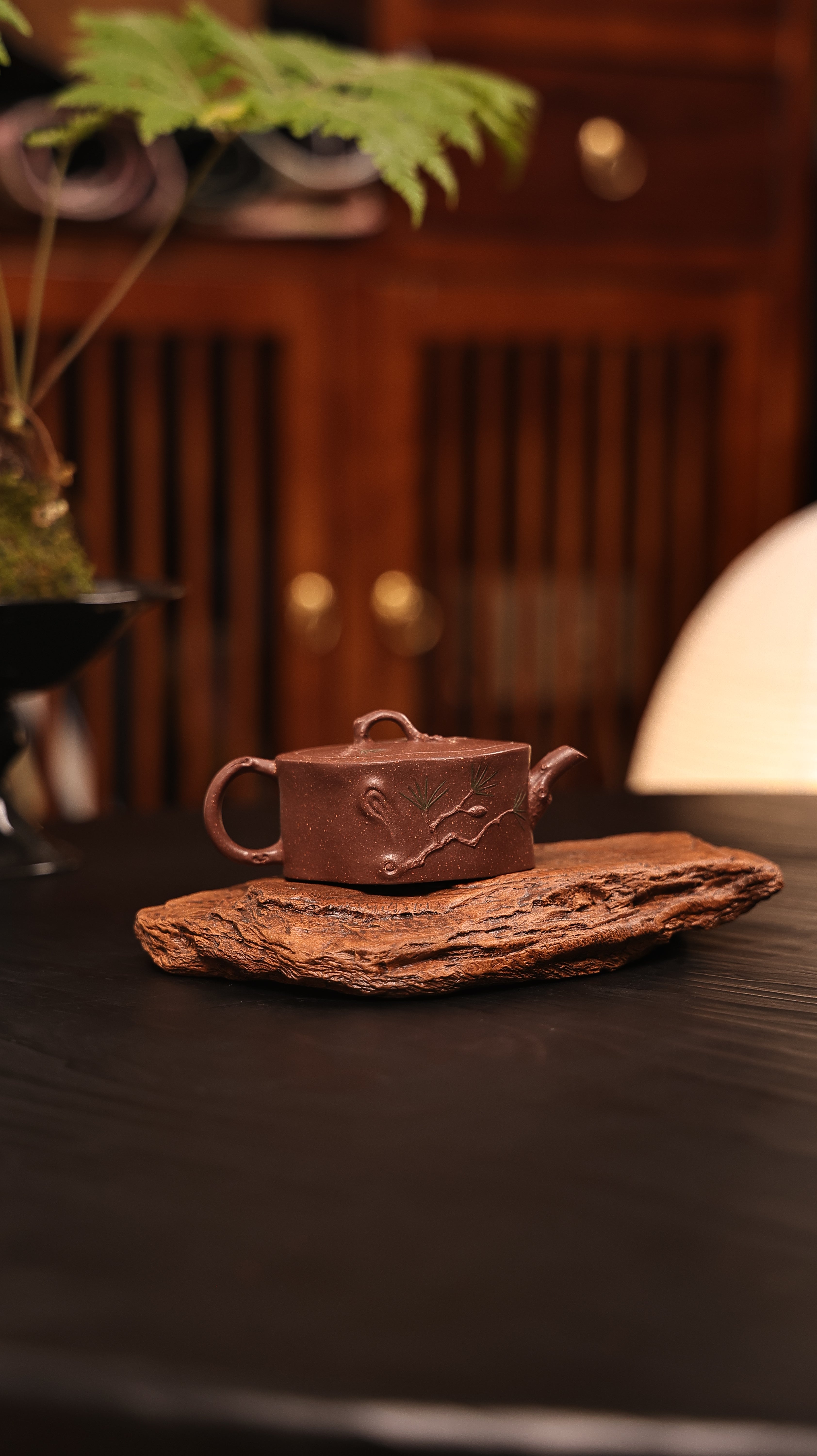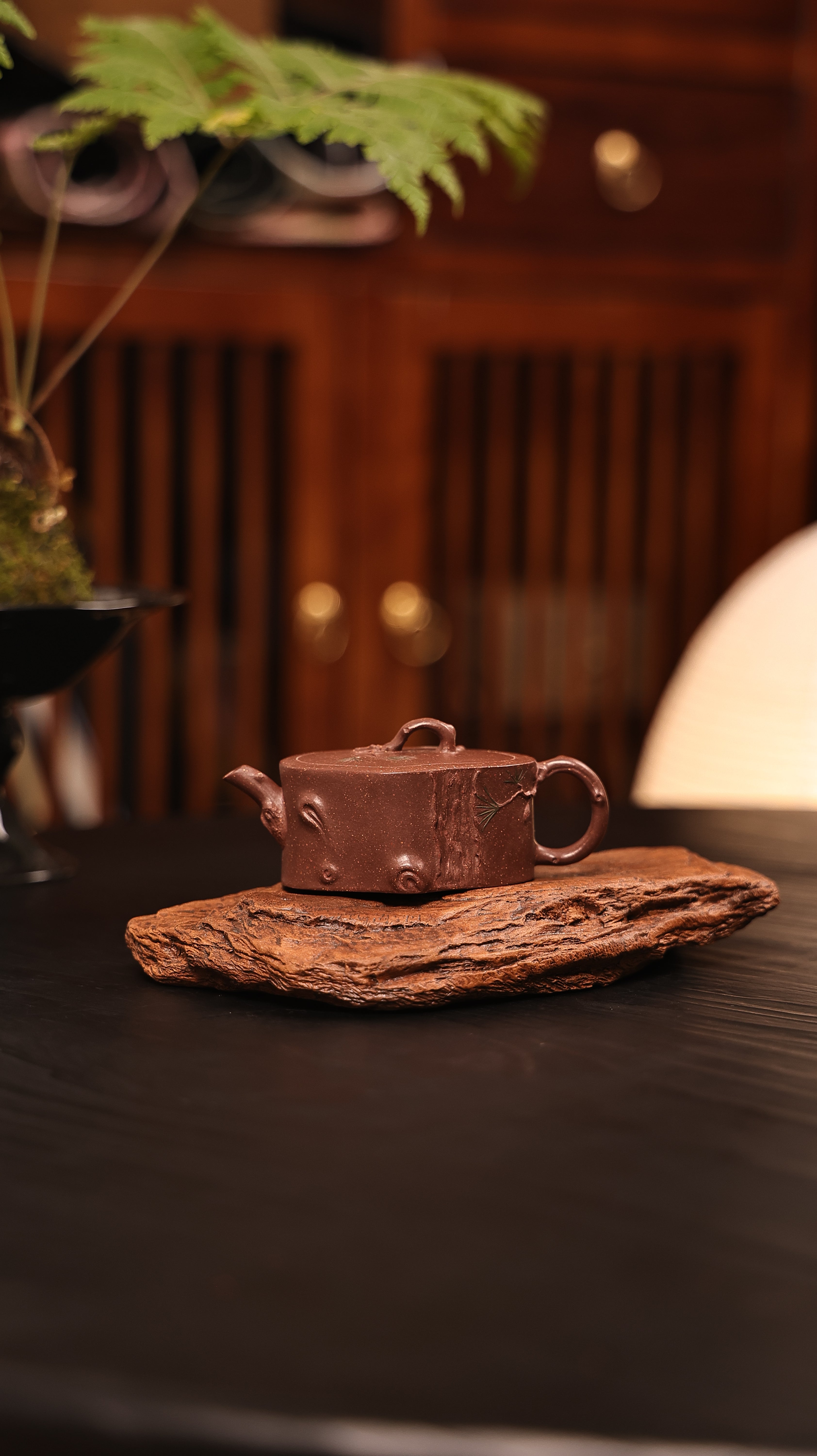
Sustained legacy shapes Eastern ceramic pots alongside timespans,
Expressing exclusive properties collected through homegrown lavender substances, such flasks accumulate a film along operation, boosting savor liberated from extracted drinks.
Discovering Yixing Earth: Detailed Insights into Zisha
Countless connoisseurs recognize the unique structure of Yixing heliotrope clay, a pillar of established Chinese stoneware. Hailing from the Yixing region of Jiangsu province, this precious clay boasts an sophisticated mineral arrangement, so that gives remarkable qualities to the final items. Classes within Zisha, including Duan Mud, Duan Ni Mud, and Jiang Xi Mud, each possesses special complexions, surfaces, and hardening traits, affecting the openness and the definitive savor development of the liquid.
Mandarin Vessel Traditions: Interpreting Mastery
Mandarin teapots embody over mere pots for brew; they manifest centuries of heritage skill. From the legendary Yixing clay variations, respected for their open nature which infuses individual characters to the beverage, to the precise porcelain from Jingdezhen, each piece relays a anecdote of labor. The creation process is an elaborate undertaking, often transferred through dynasties of artists. These artisans use time-honored procedures such as hand-building, throwing on wheels, and enhancing, demonstrating profound reverence for the material and the skill itself. Ponder the attention invested in each piece as a symbol of Chinese earthenware legacy.
- Southern pots: a esteemed choice.
- Refined china teapots: acclaimed as their beautiful design.
- Forming techniques: a exacting yet rewarding procedure.
Jiangsu Purple Vessel Handling: Protecting Your Esteemed Good
Adequate management of your special Yixing Zisha vessel is critical to extending its longevity. Crafted from noteworthy purple sand clay, these exquisite teapots acquire a deep patina after handling, notably boosting their allure. Avoid cleaning agents; a light rinse with temperate liquid is satisfactory. Eschew high temperature water for washing the teapot, as it may break its fabric. Allow it to lose wetness away from intense sunshine. Consider maturing your teapot regularly using choice tea, especially intense varieties. Here is a brief summary:
- Cleanse with temperate hydrating medium.
- Shun detergents.
- Let it to evaporate moisture.
- Mature with choice tea.
Heritage of Yixing Teapots: From Humble Origins
The account of Yixing teapots commences humbly during the Qing dynasty, near the 16th age. Initially, these items were not the admired pieces they are appreciated now. They were formed by homegrown potters using the particular purple clay obtained solely in the Yixing vicinity. These early artworks were predominantly utilitarian, meant for usual utilization and often unpretentious in configuration. It was not until the next dynasty that they initiated to earn status beyond mere utility pottery.
Choosing the Ideal Traditional Jar: A Introductory Reference
Exploring the sphere of Yixing teapots can be daunting, but don't fretting! For rookies, the fundamental factor is understanding the earth. Real Yixing clay is prized for its absorbency, allowing the teapot to collect the tea's note over time, refining every preparing session. Consider the profile; traditional orbicular shapes prevail, yet distinct preferences weigh. Lastly, inspect the sheen—while some favor an uncooked appearance, others enjoy a faint gloss. Take your time in the procurement process—this is an purchase in a valued piece of fabrication.
Fine Clay Containers and Their Influence on Chinese Concoction Heritage
Zisha teapots, produced from Yixing, China, have profoundly transformed traditional Chinese concoction culture. These Yixing clay teapots, prized for their recognizable pigment, feel, and exceptional ability to impart a subtle note to the infusion, stand as more than mere ware; they are esteemed treasures and symbols of distinction. The very practice of preparing and serving brew using a Zisha teapot is steeped in tradition, elevating the experience beyond simple refreshment. Sagas of artisans have refined their techniques, passed down through progenies, resulting in highly sought-after pieces. Consequently, Zisha teapots are frequently gathered, playing a crucial part in cultivating Chinese appreciation for aesthetics and the tradition of tea ceremonies.
- Signature Clay Composition
- Conveying Subtle Flavor
- Beautiful Craftsmanship
Recognizing Certified Rare Traditional Pieces
Buying a verified Yixing teapot can be a rewarding experience, but the sector is often crowded with copies. Dividing between a genuine antique and a modern reproduction requires careful inspection. Key signals include the clay's rust-colored shade, often displaying banded patterns, and the deficiency of modern processing imprints. The silhouette should manifest natural fineness, reflecting Yixing Teapot the traditional Yixing manner. Finally, examining the producer's stamp is necessary to verify certainty against published records.
- Assess the clay's surface.
- Look for flaws, indicative of artisan quality.
- Request an advisor for verification.
Considering Purple Kettles: A Comprehensive Handbook to Clay Ware Review
The industry of 宜兴 Zisha containers grants a noteworthy circumstance for discerning investors. Continuously, the market price of these well-made artifacts is contingent by diverse components, such as the rank of component, the expertise of the potter, the cultural meaning, and, naturally, the ongoing demand. Novices should emphasize on studying the multiple classes of Zisha clay—such as Frozen River, Peaceful Container, and Ruby Mud—and exploring the aspects linked to each. Precise analysis of the earthenware's figure, tone, and stamp is further crucial to make knowledgeable decisions when investing.