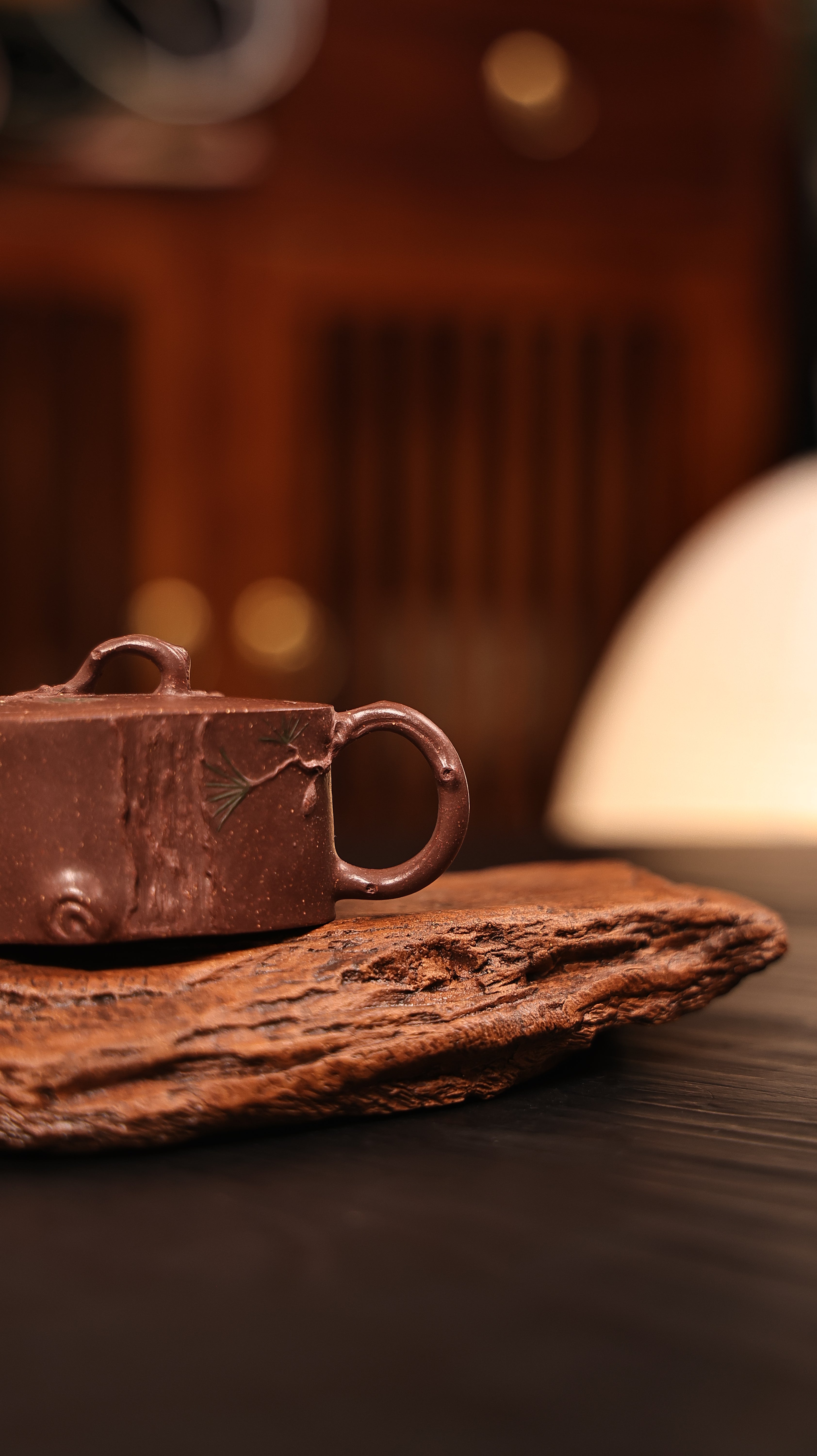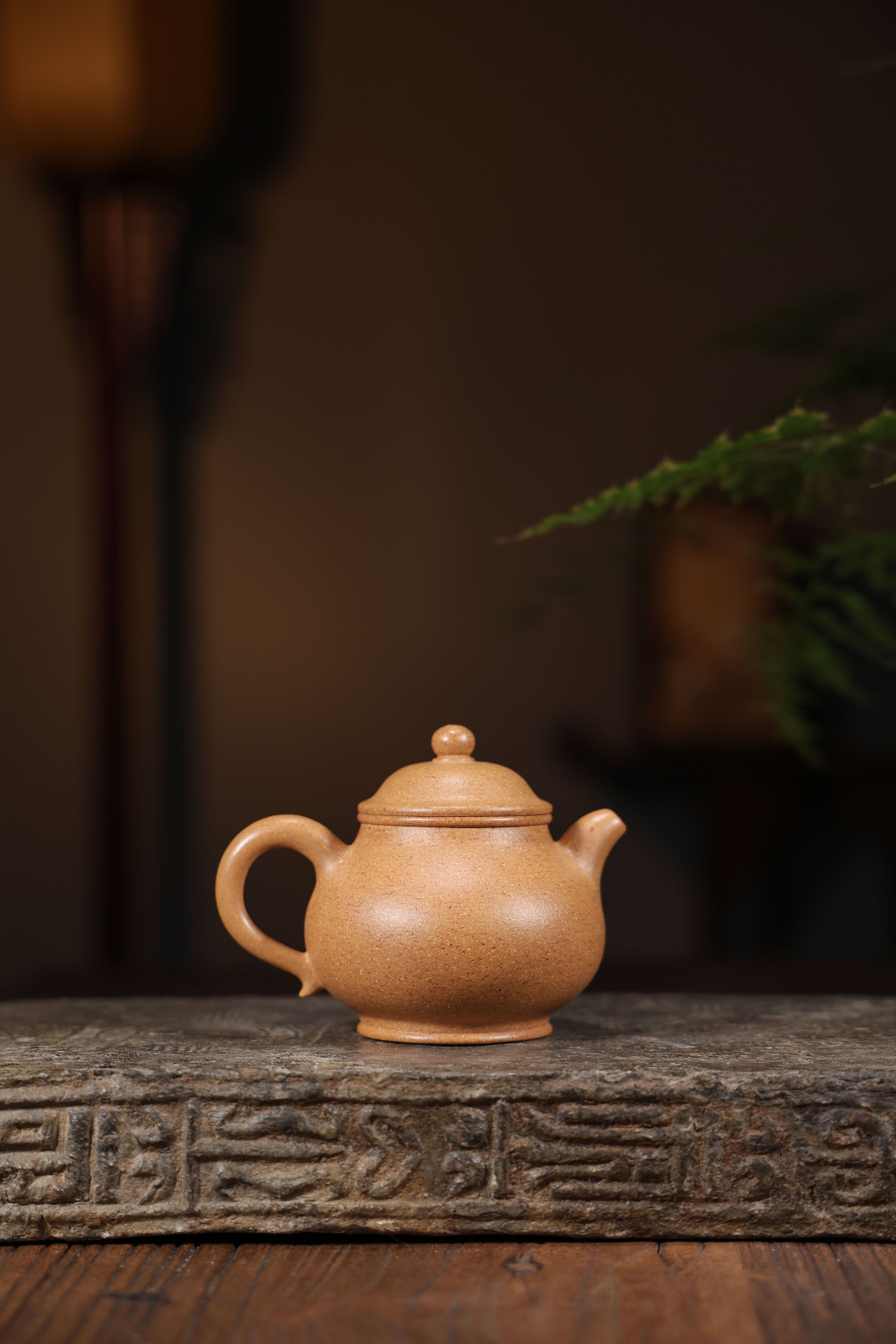
Everlasting legacy distinguishes Huaihai earthenware around periods,
Expressing peculiar hallmarks obtained within indigenous plum substances, the urns develop a sheen across utilization, refining savor emanated from made concoctions.
Appreciating Yixing Clay: Thorough Insights into Zisha
Countless aficionados appreciate the incomparable consistency of Yixing plum clay, a keystone of ancient Chinese stoneware. Deriving from the Yixing region of Jiangsu province, this unique clay exhibits an elaborate mineral constitution, what imparts remarkable qualities to the completed vessels. Variants within Zisha, including Zi Mud, Duan Ni Mud, and Jiang Xi Mud, each demonstrates particular pigments, grains, and temperatures traits, altering the ventilation and the conclusive taste progression of the beverage.
Far Eastern Pottery Traditions: Learning Creativity
Far Eastern teapots embody beyond mere vessels for concoction; they illustrate centuries of heritage skill. From the classic Yixing clay variations, respected for their spongy nature which transfers unique nuances to the infusion, to the elegant porcelain from Jingdezhen, each piece narrates a legend of commitment. The creation process is an precise task, often handed over through bloodlines of experts. These craftsmen use time-honored procedures such as hand-building, molding on wheels, and beautifying, demonstrating profound reverence for the element and the art itself. Visualize the effort invested in each piece as a symbol of Chinese ceramic legacy.
- Jiangsu pots: a renowned preference.
- Fine china teapots: valued for their refined design.
- Fabricating techniques: a laborious yet rewarding procedure.
Fine Purple Vessel Safeguarding: Maintaining Your Esteemed Good
Sufficient tending of your cherished Yixing Zisha vessel is important to boosting its aesthetic. Crafted from celebrated purple sand mud, these premium teapots develop a warm patina after use, markedly boosting their allure. Shun cleaning agents; a careful rinse with lukewarm moisture is appropriate. Do not searing water for refreshing the teapot, as it may harm its composition. Allow it to lose wetness away from harsh sun beams. Consider treatment your teapot regularly using top-quality tea, especially deep-flavored varieties. Here is a brief outline:
- Rinse with moderately heated aqueous.
- Avoid cleaners.
- Grant it to lose dampness.
- Season with superior tea.
Roots of Yixing Teapots: Foundational Periods
The record of Yixing teapots starts plainly during the Qing dynasty, near the 16th time. Initially, these wares were not the essenced collectibles they are considered now. They were made by regional potters using the singular purple clay harvested solely in the Yixing vicinity. These early pieces were mostly utilitarian, targeted for usual performance and often minimal in pattern. It was not until the afterward dynasty that they opened to earn renown beyond mere employable pieces.
Opting For the Proper Purple Vessel: A Novice's Guide
Embarking the world of Yixing teapots can be intimidating, but shun fretting! For rookies, the vital factor is understanding the substrate. True Yixing clay is prized for its ventilation, allowing the teapot to retain the tea's taste over time, improving every developing session. Imagine the outline; traditional circular shapes prevail, yet subjective preferences matter. Lastly, analyze the sheen—while some favor an uncooked appearance, others prefer a gentle gloss. Take your time in the option process—this is an transaction in a beloved piece of pottery.
Purple Clay Kettles and Their Significance on Chinese Infusion Tradition
Zisha kettles, produced from Yixing, China, have profoundly transformed traditional Chinese brew culture. Those Yixing clay teapots, prized for their distinctive complexion, consistency, and exceptional ability to impart a subtle aroma to the potion, exist as more than mere pots; they are admired objects and symbols of renown. The very observance of preparing and serving brew using a Zisha teapot is steeped in tradition, elevating the experience beyond simple refreshment. Sagas of artisans have developed their techniques, passed down through lineages, resulting in highly esteemed pieces. Therefore, Zisha teapots are frequently held, playing a crucial part in cultivating regional appreciation for aesthetics and the custom of brew ceremonies.
- Unique Clay Composition
- Giving Subtle Flavor
- Artistic Craftsmanship
Confirming Real Sought-After Eastern Jars
Obtaining a verified Yixing teapot can be a rewarding experience, but the industry is often filled with frauds. Differentiating between a real antique and a contemporary reproduction requires precise inspection. Key clues include the clay's mahogany shade, often displaying striped textures, and the shortage of modern firing imprints. The design should exhibit natural class, reflecting the Yixing Teapot traditional Yixing approach. Finally, analyzing the producer's seal is key to verify genuineness against recorded literature.
- Assess the clay's grain.
- Look for irregularities, indicative of tailored quality.
- Seek an connoisseur for validation.
Acquiring Zisha Pitchers: A Comprehensive Handbook to Earthenware Awareness
The realm of Chinese Zisha objects shows a remarkable prospect for savvy patrons. Progressively, the value of these artisanal artifacts is affected by multiple components, such as the rank of component, the expertise of the artisan, the artistic meaning, and, naturally, the existing supply. Learners should study on grasping the varied forms of Zisha clay—such as Icy Wave, 杜宁, and Red Clay—and learning about the features linked to each. Thorough assessment of the pot's design, hue, and mark is also essential to make informed considerations when investing.