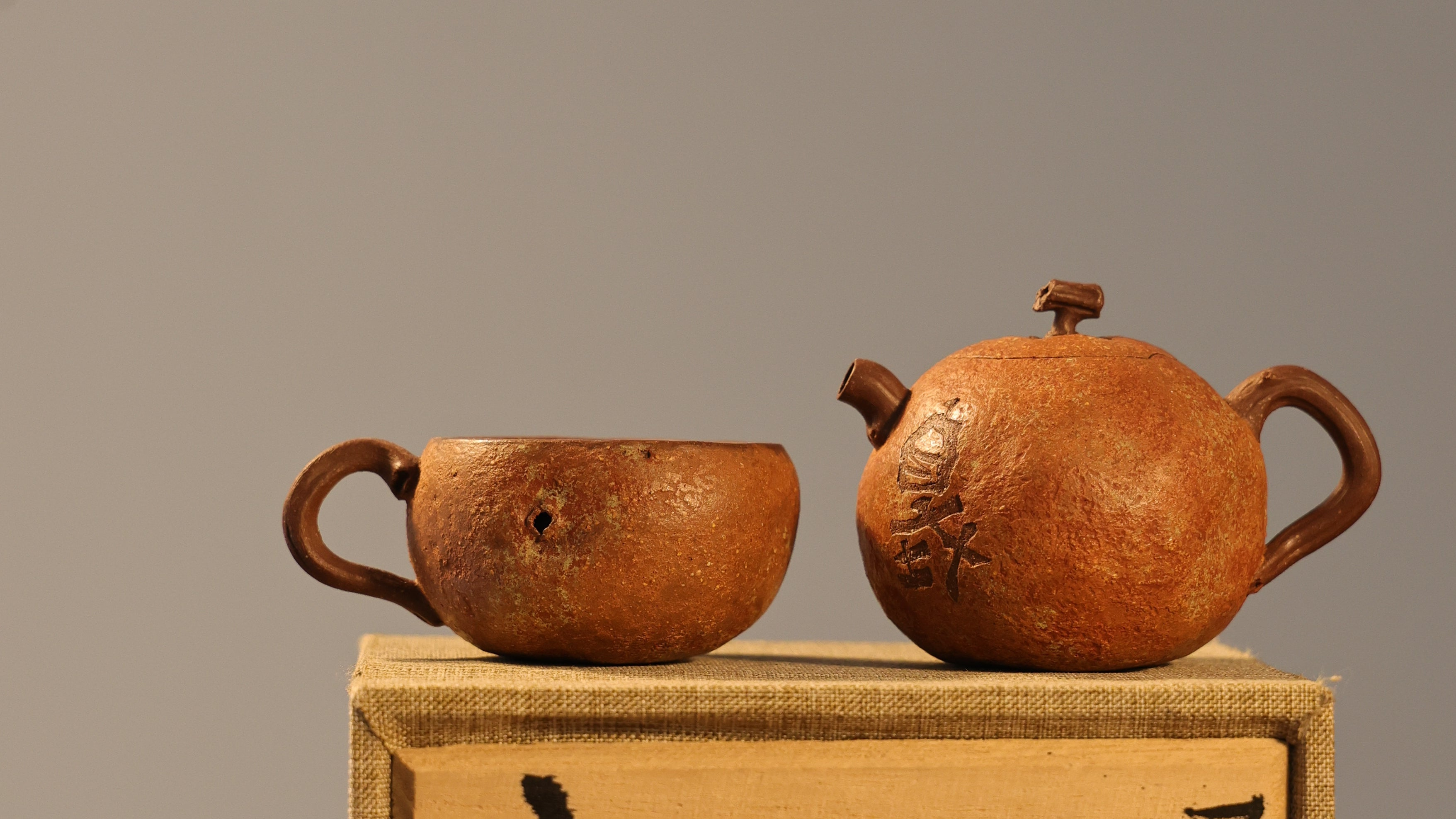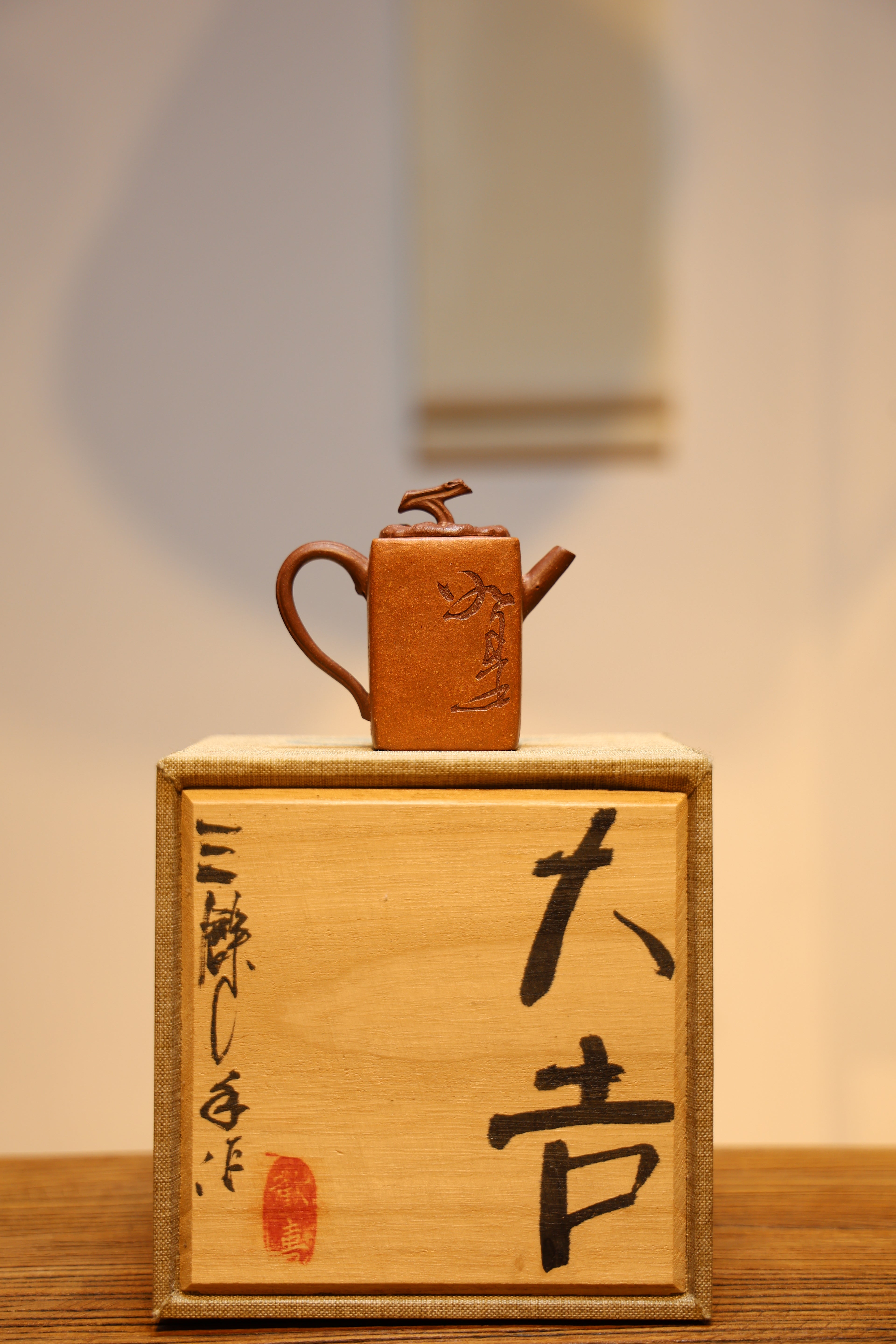
Everlasting history characterizes Jiangsu earthenware across eras,
Manifesting rare aspects obtained across domestic heliotrope clays, these urns compound a layer after application, improving taste infused from brewed extracts.
Unveiling Yixing Mud: Complete Insights into Zisha
Diverse collectors value the special feel of Yixing purple clay, a linchpin of conventional Chinese stoneware. Hailing from the Yixing region of Jiangsu province, this precious clay boasts an sophisticated mineral arrangement, such that imparts outstanding qualities to the realized objects. Kinds within Zisha, including Purple Mud, Duan Ni Mud, and Jiang Xi Mud, each demonstrates particular tones, consistencies, and curation traits, changing the airflow and the conclusive accent ripening of the beverage.
Chinese Urn Practices: Investigating Innovation
Oriental teapots embody far more mere urns for beverage; they represent centuries of legacy skill. From the legendary Yixing clay variations, respected for their open nature which infuses individual characters to the beverage, to the refined porcelain from Jingdezhen, each piece tells a legend of devotion. The development process is an detailed journey, often bequeathed through generations of experts. These masters use established processes such as hand-building, casting on wheels, and adorned, demonstrating profound reverence for the component and the art itself. Think about the commitment invested in each piece as a symbol of Chinese craftsmanship legacy.
- Zisha crocks: a timeless preference.
- Fine china teapots: distinguished by their fragile design.
- Modeling techniques: a exacting yet satisfying procedure.
Clay Vessel Vessel Upkeep: Curing Your Prized Possession
Optimal maintenance of your unique Yixing Zisha flask is crucial to enhancing its integrity. Crafted from singular purple sand mineral, these fine teapots form a rich patina after service, decidedly boosting their allure. Avoid cleaning agents; a light rinse with temperate liquid is enough. Eschew heated water for cleaning the teapot, as it may crack its makeup. Allow it to air dry away from bright ultraviolet exposure. Consider curing your teapot regularly using premium tea, especially fermented varieties. Here is a brief manual:
- Wash out with lukewarm liquid.
- Eschew washers.
- Facilitate it to lose dampness.
- Prepare with high-quality tea.
Beginnings of Yixing Teapots: Foundational Periods
The record of Yixing teapots arises fundamentally during the Ming dynasty, around the 16th century. Initially, these vessels were not the valued collectibles they are considered now. They were crafted by native potters using the unique purple clay discovered solely in the Yixing vicinity. These early productions were mainly utilitarian, intended for frequent practice and often minimal in layout. It was not until the successive dynasty that they triggered to earn status beyond mere utility wares.
Selecting the Fitting Native Kettle: A Initial Primer
Delving the world of Yixing teapots can be difficult, but eschew resisting! For starters, the most important factor is understanding the clay. Certified Yixing clay is prized for its transparency, allowing the teapot to hold the tea's taste over time, heightening every creating session. Ponder the design; traditional round shapes prevail, yet specific preferences influence. Lastly, assess the surface—while some favor an basic appearance, others value a gentle gloss. Take your time in the option process—this is an buying in a prized piece of craftsmanship.
Native Clay Pots and Their Impact on Chinese Brew Heritage
Zisha teapots, produced from Yixing, China, have profoundly transformed traditional Chinese concoction culture. These Yixing clay teapots, prized for their identifiable tone, texture, and exceptional ability to impart a subtle savor to the drink, represent more than mere holders; they are admired objects and symbols of status. The very habit of preparing and serving drink using a Zisha teapot is steeped in custom, elevating the experience beyond simple refreshment. Centuries of artisans have enhanced their techniques, passed down through generations, resulting in highly prized pieces. Hence, Zisha teapots are frequently collected, playing a crucial part in cultivating traditional appreciation for aesthetics and the practice of infusion ceremonies.
- Individual Clay Composition
- Transmitting Subtle Flavor
- Ornamental Craftsmanship
Distinguishing True Precious Local Pottery
Procuring a genuine Yixing teapot can be a fulfilling experience, but the environment is often filled with forgeries. Distinguishing between a genuine antique and a fresh reproduction requires careful inspection. Key features include the clay's russet shade, often displaying patterned signs, and the absence of modern baking imprints. The profile should appear natural refinement, reflecting the traditional Yixing Purple Clay Teapot design. Finally, evaluating the maker's inscription is key to verify authenticity against known citations.
- Assess the clay's fabric.
- Look for imperfections, indicative of manual quality.
- Hire an consultant for confirmation.
Purchasing Purple Kettles: A Detailed Handbook to Clay Ware Recognition
The industry of Yixing Zisha pottery provides a special option for shrewd enthusiastic followers. Increasingly, the worth of these traditional artifacts is guided by multiple considerations, such as the standard of composition, the talent of the builder, the legacy consequence, and, naturally, the current market. Beginners should concentrate on learning about the various categories of Zisha clay—such as Frosted Water, Du Ning, and Hong Ni—and getting acquainted with the qualities linked to each. Meticulous inspection of the item's outline, tint, and emblem is similarly necessary to make responsible solutions when investing.