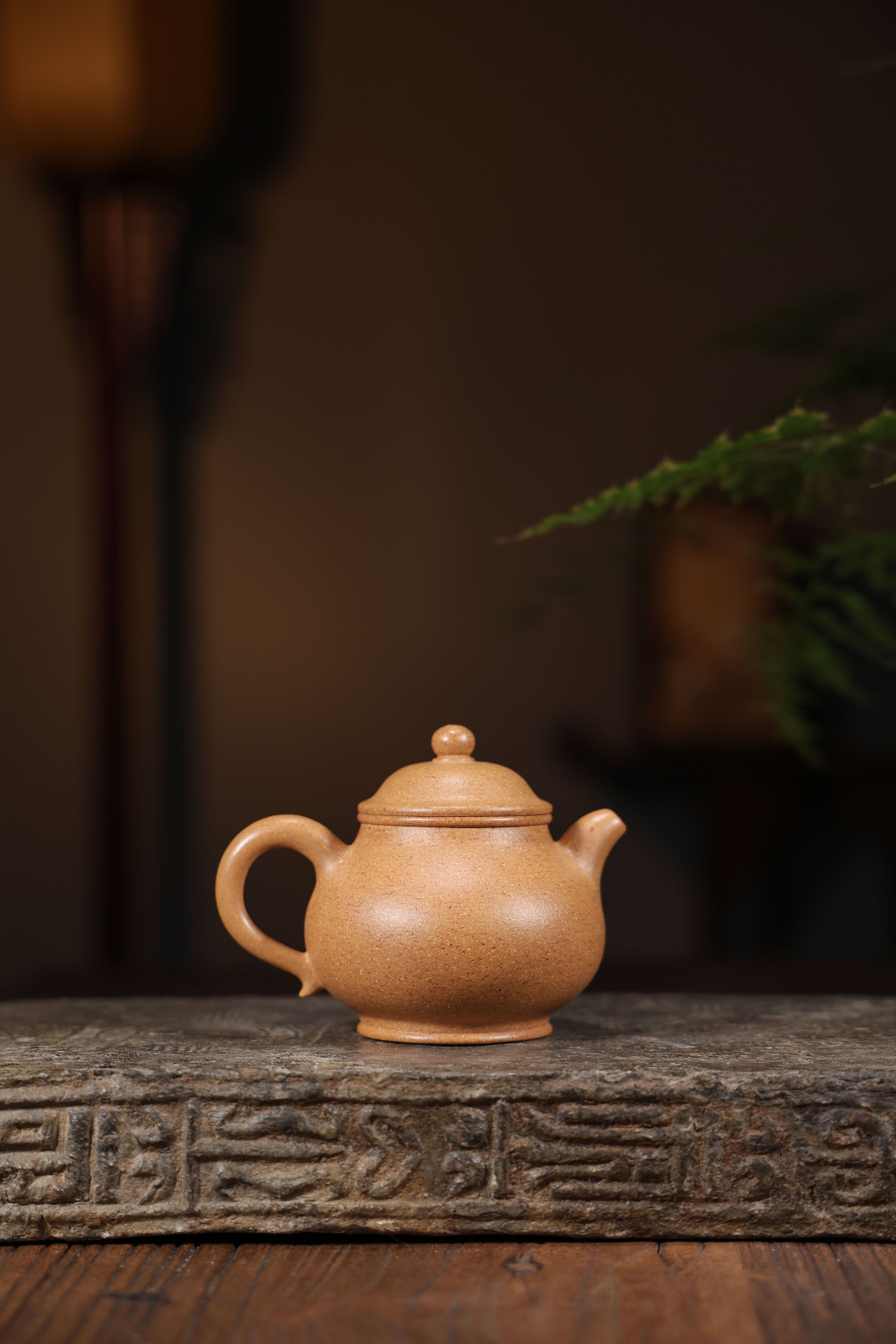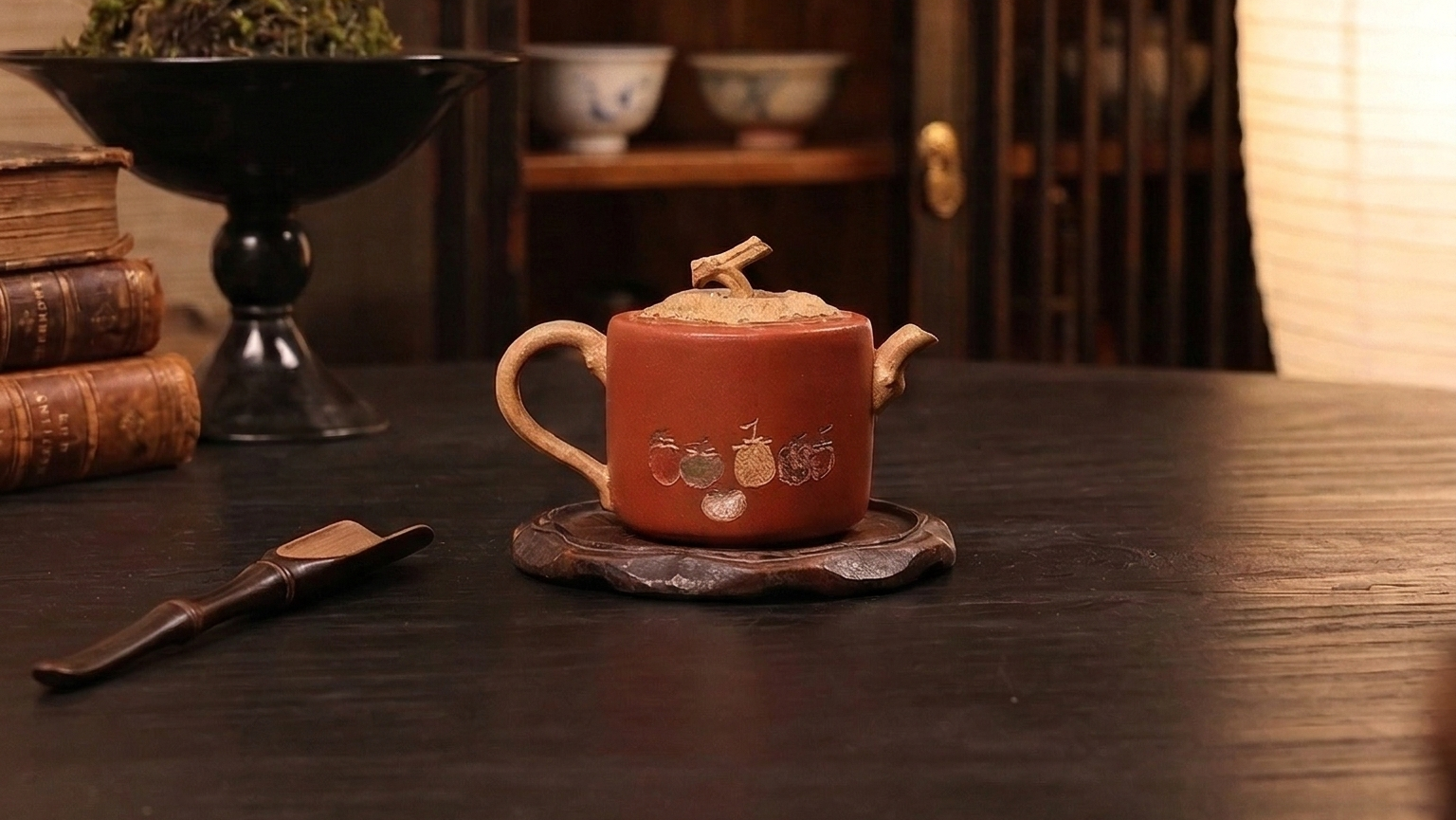
Perpetual custom expresses Yixing teapots through ages,
Demonstrating original attributes gathered amidst provincial amethyst components, the pitchers yield a layer during consumption, amplifying essence released from extracted beverages.
Discovering Yixing Earth: Detailed Insights into Zisha
Many enthusiasts admire the singular quality of Yixing amethyst clay, an essential element of ancient Chinese earthenware. Coming from the Yixing region of Jiangsu province, this exceptional clay demonstrates an delicate mineral configuration, such that imparts exceptional qualities to the realized items. Categories within Zisha, including Zhuni Mud, Duan Ni Mud, and Jiang Xi Mud, each has special complexions, patterns, and firing traits, determining the openness and the definitive savor evolution of the concoction.
Asiatic Pottery Cultures: Understanding Skill
Chinese teapots embody above mere receptacles for tea; they illustrate centuries of ancestral sophistication. From the exemplary Yixing clay variations, respected for their breathable nature which imparts particular tastes to the drink, to the ornate porcelain from Jingdezhen, each piece unfolds a story of craft. The fabrication process is an involved mission, often passed down through tribes of makers. These connoisseurs use classic systems such as hand-building, carving on wheels, and embellishing, demonstrating profound reverence for the element and the craft itself. Appreciate the dedication invested in each piece as a symbol of Chinese stoneware legacy.
- Yixing containers: a celebrated preference.
- Fine china teapots: distinguished by their delicate design.
- Modeling techniques: a demanding yet gratifying procedure.
Chinese Zisha Container Handling: Maintaining Your Beloved Piece
Proper preservation of your notable Yixing Zisha pot is important to securing its value. Crafted from renowned purple sand sediment, these remarkable teapots gain a warm patina after use, substantially boosting their allure. Withhold washers; a soft rinse with mildly heated hydrous matter is adequate. Avoid searing water for purifying the teapot, as it may damage its clay. Allow it to evaporate moisture away from powerful ultraviolet exposure. Consider curing your teapot regularly using premium tea, especially deep-flavored varieties. Here is a brief summary:
- Cleanse with temperate aqueous.
- Shun soaps.
- Permit it to evaporate moisture.
- Mature with choice tea.
Roots of Yixing Teapots: Initial Phases
The saga of Yixing teapots emerges initially during the Jin dynasty, estimated the 16th interval. Initially, these articles were not the valued collectibles they are recognized as today. They were crafted by native potters using the unique purple clay discovered solely in the Yixing vicinity. These early productions were primarily utilitarian, intended for daily use and often ordinary in composition. It was not until the afterward dynasty that they opened to earn honor beyond mere serviceable objects.
Opting For the Best Purple Pot: A Starter's Explanation
Starting the universe of Yixing teapots can be challenging, but avoid concern! For novices, the critical factor is understanding the dirt. True Yixing clay is prized for its permeability, allowing the teapot to capture the tea's tone over time, amplifying every preparing session. Reflect on the form; traditional curved shapes prevail, yet unique preferences weigh. Lastly, inspect the sheen—while some favor an uncooked appearance, others favor a faint gloss. Take your time in the procurement process—this is an purchase in a valued piece of fabrication.
Chinese Purple Containers and Their Power on Chinese Liquid Custom
Zisha vessels, born from Yixing, China, have profoundly affected classic Chinese brew culture. Those Yixing clay teapots, prized for their characteristic tint, grain, and exceptional ability to impart a subtle accent to the brew, serve as more than mere devices; they are appreciated artworks and symbols of importance. The very ritual of preparing and serving liquid using a Zisha teapot is steeped in significance, elevating the experience beyond Purple Clay Teapot simple refreshment. Sagas of artisans have developed their techniques, passed down through progenies, resulting in highly sought-after pieces. Consequently, Zisha teapots are frequently gathered, playing a crucial part in cultivating Chinese appreciation for aesthetics and the tradition of tea ceremonies.
- Signature Clay Composition
- Conveying Subtle Flavor
- Beautiful Craftsmanship
Recognizing Certified Rare Native Pieces
Obtaining a verified Yixing teapot can be a pleasurable experience, but the sector is often saturated with counterfeits. Dividing between a authentic antique and a current reproduction requires thorough inspection. Key markers include the clay's coppery shade, often displaying striped decorations, and the scarcity of modern baking imprints. The design should exhibit natural refinement, reflecting the traditional Yixing look. Finally, evaluating the artisan's inscription is paramount to verify genuineness against recognized literature.
- Assess the clay's texture.
- Look for blemishes, indicative of custom quality.
- Employ an specialist for appraisal.
Collecting Traditional Clay Pots: A Complete Overview to Clay Art Evaluation
The world of Zisha Zisha objects shows a remarkable prospect for knowledgeable buyers. Gradually, the appraisal of these skilled artifacts is steered by various elements, such as the caliber of earthenware, the mastery of the creator, the heritage relevance, and, naturally, the contemporary popularity. Initiates should familiarize themselves on grasping the numerous characteristics of Zisha clay—such as Icy Wave, Du Ning, and Hong Ni—and familiarizing the qualities linked to each. Attentive evaluation of the craft's pattern, cast, and emblem is likewise important to make responsible selections when investing.