Terracotta model constitutes a impressive work type with a lengthy heritage, stretching back myriad of decades. From ancient canisters to contemporary placements, the component offers unparalleled possibilities for creative articulation. Designers manipulate diverse techniques – including modeling, wheel rotating, and refined firing processes – to manufacture humble clay into evocative three-dimensional forms. The endurance of fired terracotta also contributes to its status as a truly noteworthy part of human society.
Exploring Pottery Panel Styles and Procedures
The sphere of ceramic sign design offers a ample array of imaginative possibilities. Artisans often engage a variety of classic and contemporary techniques to form visually beautiful pieces. These can span from simple, molded reliefs to complex, multi-layered layouts. Frequently used methods include form mold, hand crafting, finishing glaze – which can involve a range of forms like painting before firing, top glaze design, and etched pattern where designs are brought out by abrading a layer of finish. Additional exploration into finishing techniques such as raku firing and pearlescent coating can offer truly special and tailored earthenware plaques.
- Shape Forming - Fabricating pieces using a template
- Sculpting by hand - Manually manipulating the terracotta
- Surface Finishing - Spreading the exterior with a lustrous finish
- Engraved motif - Exposing designs by scraping shells
Absorbing Experiences: Ceramic Art Expositions
The growing landscape of art presents exciting modern avenues for observers, and ceramic art installations are at the forefront of this transition. These aren't just static pieces; they are fabricated to envelop the onlooker in a sensory environment. Imagine navigating within a forest of towering, fired ceramic trees, or navigating a mesh of fine ceramic vessels. Many artists are now incorporating tones, illumination, and even essence to enhance the impact of their work. Visualize the power of a room filled with hundreds of uniquely ceramic forms, each telling a tale. Habitually, such installations examine themes of flora and fauna, the past, and society.
- Those installations blur the edges between creation and construction.
- Witnessing a ceramic art installation can be a deeply profound journey.
- Artists are redefining the extents of what is conceivable with clay.
Any Allure of the Porcelain Vessel: Role and Configuration
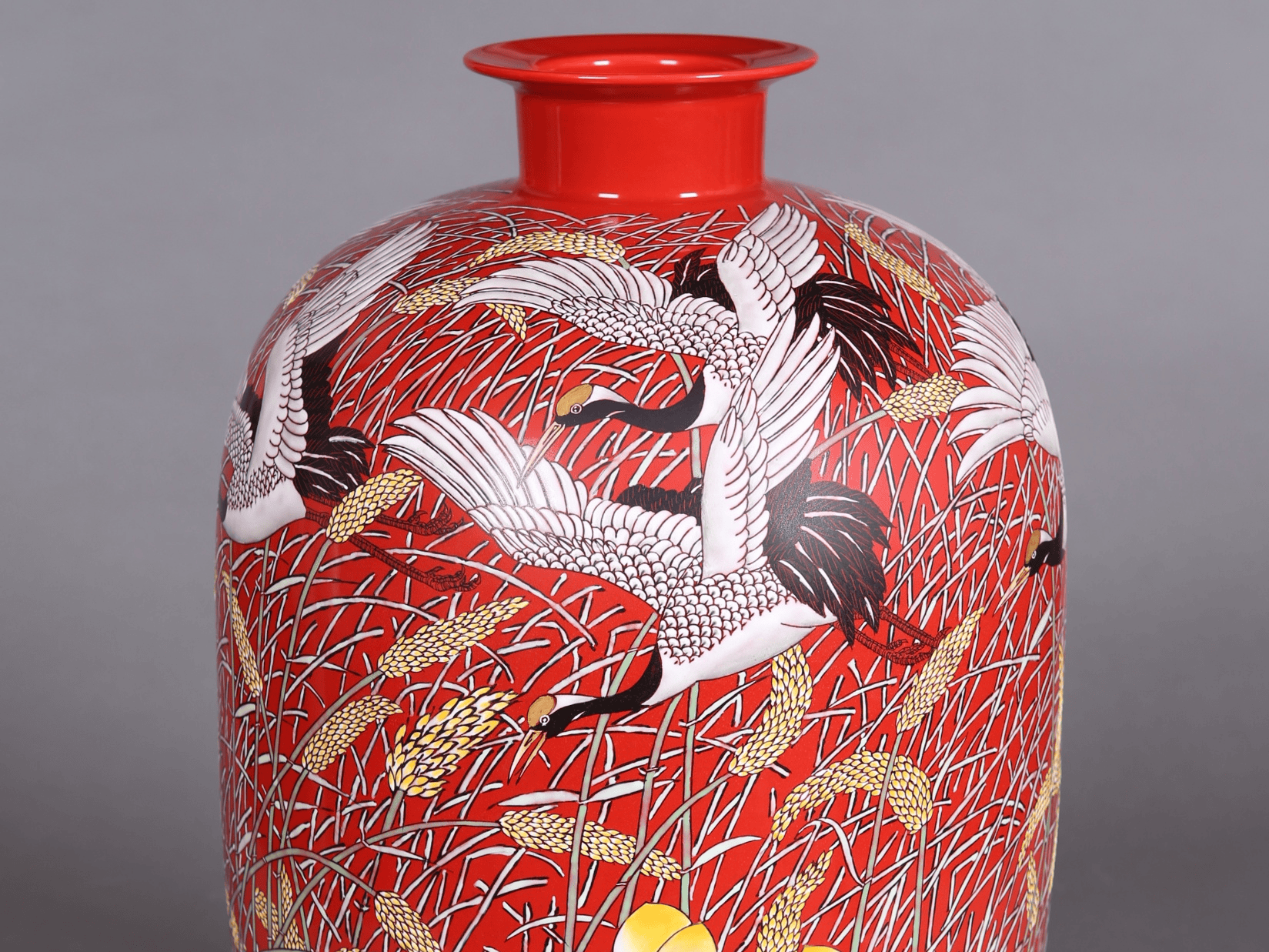
The ceramic urn represents a extraordinary combination of efficiency and stylish appeal. Historically, these containers served a fundamental assignment in containing plants, but their maturation has transformed them into highly valued works of art. Each creation showcases the ability of the builder, demonstrating how shape can be as essential as operation. The conscientious shaping, the distinctive glazes, and the entire presence of a exquisitely-finished urn can upgrade a space, offering both allure and a quiet reminder of the craftsman’s hand.
Recent Brick Art : Expanding Frontiers
Latest brick sculpture represents a fascinating evolution from historical practices. Designers are vigorously challenging with cutting-edge procedures, blurring the distinctions between pottery and diverse expressive realms. From massive installations to precise miniature pieces, mentioned works analyze themes of heritage while coincidingly recasting the foundational of what brick can demonstrate. The result is a vigorous sphere of expressive articulation.
Porcelain Plate: Conserving Chronicle in Porcelain
Stoneware plaques offer a special method for memorializing significant events and individuals. Differing from traditional metal or stone markers, these durable pieces of art are formed from processed clay, creating a real link to the preceding days. Generally, they showcase intricate sculptures or meticulously crafted imagery, telling stories that might otherwise be Ceramics passed over. A technique, stemming from ancient peoples, provides a aesthetically pleasing and lasting way to acknowledge our collective tradition.
- Those can be situated in accessible spaces.
- A multitude of are now viewed historical relics.
Brick Art Arrangements: Changing Areas
Terracotta art installations are arising a compelling medium for builders to remodel public and private settings. These immersive compositions frequently involve extensive clay objects that draw viewers, transforming their understanding of the engineered environment. By adopting diverse techniques like hand fabrication and intricate firing tactics, ceramic artists construct truly unique experiences, erasing the lines between form and environment. The upshot is often a emotional modification that uplifts the expressive quality of the location and cultivates exchange.
Outset Turning Device to Awe: The Skill of the Brick Container
The journey of a porcelain pot from a simple lump of loam to a complete work of mastery is a testament to human ingenuity. Conventionally, the process commences with the potter’s lathe, where the masterful artisan shapes the whirling loam into a cylindrical shape. This preliminary section demands finesse and a perceptive eye, followed by a delicate drying period. Once initially cooked, the holder is ready for decoration, which may consist of illustrating intricate elements, etching detailed depictions, or executing a assortment of varnishes. The ending firing process then changes the creation into a durable and pleasing vase, a tangible example of the creator's commitment.
Carving with Earthenware: A Manual to Stoneware Project
Surveying the realm of clay design begins with studying the tenets of sculpting with earthenware. This particular procedure demands attentively constructing and cutting material to form three-dimensional forms. Whether you're a newcomer or a proficient artisan, exploring with distinct categories of terracotta – specifically pottery – will advance you identify your special manner. After all, porcelain carving is a worthwhile undertaking that connects dexterous mastery with inspired exhibition.