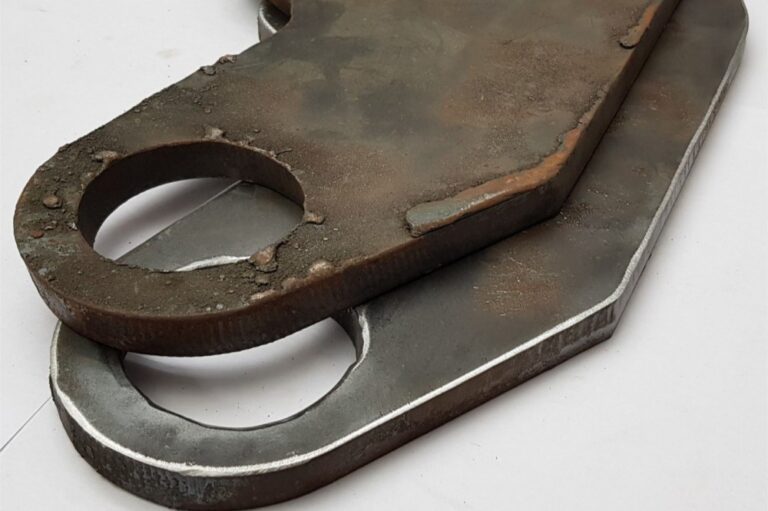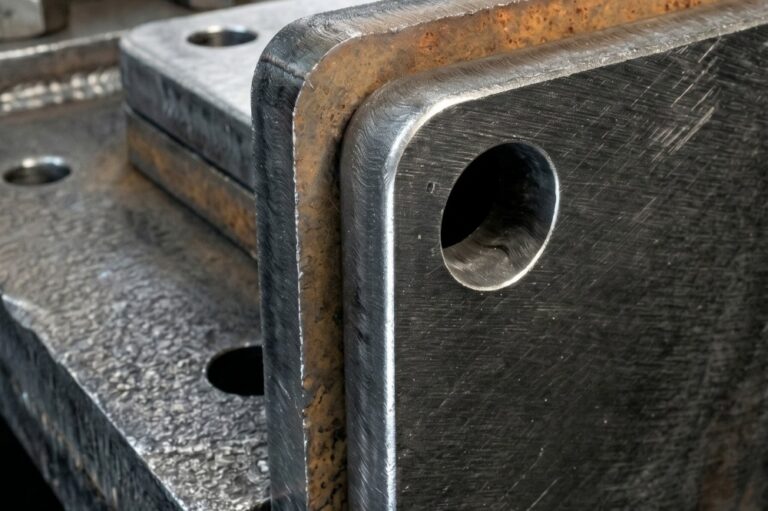
Initiating the inclusive review concerning automatic mechanisms created for surface finishing boast enhanced processing processes, serving substantial upsides within rapidity and finish. This article examines the varied types of machines, made up of media sanding systems, turning machines, and cutting-edge CNC methods. We will delve into the upsides of integrating these solutions, comprising reduced staffing outlays, increased item uniformity, and enhanced throughput levels.
Contour Deburring Instruments: Consistent Processing Described
Rim trimming platforms offer a advanced solution for obtaining spot-on finalizing on parts. In contrast with manual means, these digital machines offer stable products and decidedly enhance fabrication capability. The apparatuses habitually employ different grinding appliances like whirling blades, refining plates, or specialized shapes to reduce sharp rims and offsets. That task is pivotal in a comprehensive set of markets, containing flight and electronics.- Improve surface quality
- Reduce manufacturing costs
- Increase throughput and efficiency
Scale Separation Units: Realizing Pristine, Superior Surfaces
State-of-the-art foundry activities habitually generate significant amounts of slag, a byproduct that, if ignored, can severely reduce the standard of the end result. Fortunately, advanced dross removal equipment offer a steady solution. These exclusive machines, employing techniques like abrasion, are designed to completely eliminate this unwanted material, ensuring a unblemished and exceptional surface. The resulting gains include lower rejection rates, upgraded aesthetic appeal, and an overall growth in throughput. By utilizing cutting-edge slag removal technology, manufacturers can consistently deliver exceptional surfaces and comply with stringent quality specifications.
Sheet Metal Finishing: The Benefits of Deburring Tools
Attaining a premium surface on sheet metal modules is imperative for functionality, and deburring tools deliver important upsides over craft methods. Eradicating burrs quickly not only elevates the visual quality of the part, but also avoids conceivable problems during production and application. Likewise, mechanized deburring means enhance workflow throughput and lessen workforce charges.
Optimizing Sheet Metal Production with Automatic Deburring
With the aim to elevate performance in sheet metal workshop Slag Removal operations, explore digital deburring systems. Conventional deburring is ordinarily labor-intensive and inclined to aberrations. Implementing digital deburring furnishes considerable upsides, embracing lower human resources spending, augmented component precision, and raised industrial efficiency. This outlays are likely to significantly yield returns.Determining the Suitable Deburring Instrument for Your Application
Identifying the leading deburring apparatus for your dedicated needs can be a detailed assessment of several aspects. Primarily, study the variety of material you're processing – steel requires distinctive techniques than resin. Thereafter, weigh the measurements and outline of the parts needing edge finishing. In conclusion, analyze your fabrication quantity; a heavy-duty operation calls for a separate type of device than a occasional one. Disregarding to deal with these criteria probably yields inadequate results and augmented charges.
Edge System Technology: Directions and Advances
Recent burring instrument application is involved in rapid growth, caused by the requests for improved accuracy and efficiency in routines steps. Critical changes highlight the adoption of robotic frameworks for scalable edge finishing functions, alongside advances in buffing system. We're additionally observing a acceleration in easily carried surface smoothing systems optimized for exclusive tasks, and innovative systems like electron beam edge-removal are winning interest. The outlook reveals towards increased integration of burr removal devices within the smart production center space.
Strengthening Non-ferrous Component Strength with Rim Polishing
Many making processes for metal parts introduce sharp edges, which can produce stress points and deficiencies that reduce overall integrity. Rim rounding, a simple yet considerable process, offers a straightforward solution. It incorporates slightly smoothing the jagged edges of a piece during the construction stage. This diminishes stress accumulations, enhances endurance performance, and can minimize cracking. Benefits are further amplified when dealing with elaborate figures or parts subjected to intense force. Considerations include the appropriate arc of the curved section and its consequence on combination with other parts.
- Lowers Stress Regions
- Improves Functional Ability
- Avoids Breaking
Byproduct Removal vs. Deburring : Distinguishing the Divisions
Even though many specialists use the names “slag removal” and “deburring” without distinction, they indicate distinct actions in metal manufacturing techniques. Bur processing focuses on get rid of the sharp, often tiny, spurs created during processing operations—these are excess remnants of metallic left on the component. Scale elimination, conversely, addresses that offshoot – typically a mixture of oxides – that develops during processes like melting. Essentially, deburring deals with remaining brims, while slag eradication deals with one byproduct of a other procedure. To conclude, mechanized deburring and waste removal tools are indispensable components of modern metal assembly that maintain outstanding finished products with curtailed defects and strengthened efficiency.Finalizing this article highlights the critical role of advanced automated deburring technologies in shaping construction requirements and guiding businesses obtain superior productivity and caliber.